
Chinese companies are 石泉环保新闻网洗涤厂expanding overseas investment in high-tech and green sectors, with outbound direct investment rising and new policy support emerging, even as global narratives of economic "decoupling" persist, officials and experts said.
This trend is emerging as a key channel for cross-border collaboration, supporting innovation and shared prosperity, they added.
"China's cumulative outbound direct investment has ranked among the world's top three for nine consecutive years," said He Yongqian, spokeswoman for the Ministry of Commerce.
Chinese companies have established more than 50,000 overseas enterprises across 190 countries and regions as of the end of last year, He told a news conference earlier this month, adding that the country's outbound direct investment reached $174.38 billion in 2025, up 7.1 percent from a year earlier.
For the world's second-largest economy, "the rational and orderly cross-border allocation of industrial and supply chains" has become a long-term strategy. It has been included in the recommendations for formulating the country's 15th Five-Year Plan (2026-30).
Earlier this week, Wang Ya, who heads the foreign investment management department of the Commerce Ministry, said the country will establish a "national-level integrated service platform" for businesses seeking overseas operations.
By integrating resources from legal, taxation, finance, logistics, customs, trade promotion and other sectors, it will address common needs such as policy consultation, country-specific information, resource matchmaking, and risk prevention and control for businesses expanding overseas, Wang added.
As the global economy navigates a period of profound uncertainties, experts said China's commitment to opening-up is pivoting from a traditional focus on attracting foreign capital to a more balanced strategy that equally prioritizes inbound and outbound investment.
Many Chinese enterprises are investing overseas, especially in developing regions across Southeast Asia, Africa and Latin America, said Zhang Xiangchen, deputy director-general of the World Trade Organization, calling it an "irreversible and unstoppable" trend.
"In the long run, the scale of China's outbound direct investment is certain to exceed the amount of foreign capital it attracts," Zhang said.
He noted that many countries are still in the early stages of industrialization, while China is overall in an advanced phase, with certain sectors in the mid-industrial phase. "This gap represents a point of connection," Zhang added.
It's also worth noting that the structure of China's overseas investment is gradually transitioning from traditional manufacturing toward higher-value-added fields, such as high technology and low energy consumption, according to a September report by global auditing advisory firm KPMG.
In particular, investments in areas such as the digital economy and green energy are gradually becoming new growth drivers, the report said.
Li Lecheng, minister of industry and information technology, said in December that China will "encourage competitive Chinese enterprises in photovoltaics, wind power, lithium batteries and new energy vehicles to expand globally and to invest in and develop green energy projects in countries and regions involved in the Belt and Road Initiative and beyond".
Lisa Li, head of Global China Practice at KPMG China, said that in recent years, digital infrastructure, new energy vehicles, photovoltaics and related sectors have emerged as trailblazers, showcasing China's progress in these fields.
These industries have not only broken through bottlenecks in exporting technical standards, but have also reshaped the global perception of "Made in China" through comprehensive industrial chain integration. This has injected fresh vitality into the stability of global supply chains, she added.
Chinese automaker BYD now operates production bases in countries such as Uzbekistan, Thailand and Brazil, and is building new facilities in Hungary and Turkiye.
The global footprint of companies like BYD is a microcosm of a larger strategic pivot for the entire Chinese new energy vehicle sector.
According to a report from US research institution Rhodium Group, China's NEV industry saw overseas investment reach $16 billion in 2024, surpassing domestic investment of $15 billion for the first time.
"China's outbound investment is undergoing a qualitative upgrade," said Zhou Mi, a senior researcher at the Chinese Academy of International Trade and Economic Cooperation. "The focus is changing from one of volume and scale to one of value and partnership.
"This tech-focused expansion, based on mutual benefit, can act as a stabilizing force for the global economy amid rising protectionism," Zhou added.

中新人物丨“网红”导游迪丽努尔:想做一个小小而结实的桥梁
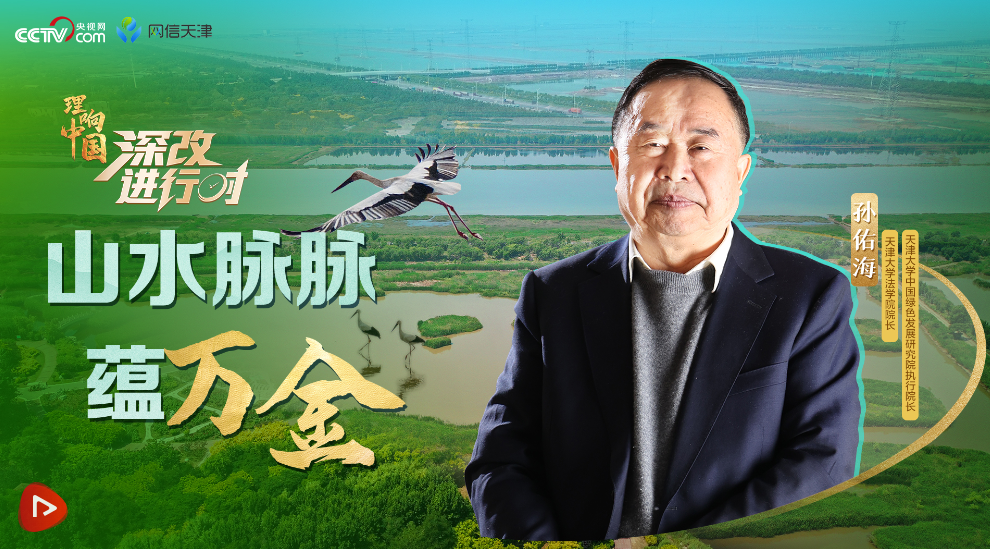
理响中国·深改进行时:山水脉脉蕴万金

说法丨规范二手交易 打通流通堵点
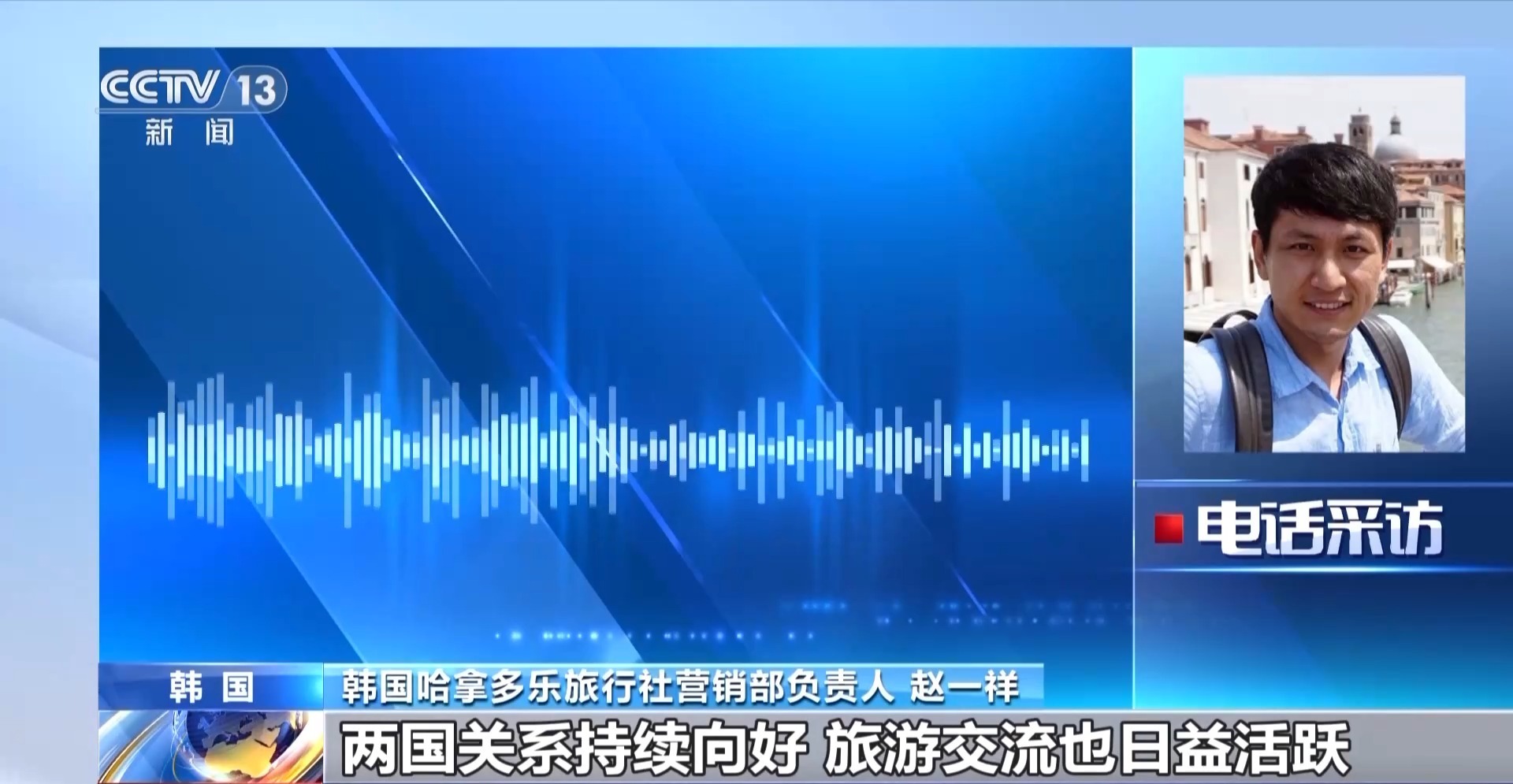
视频丨韩国民众赴华旅游热度持续升温

破解流通堵点!全国首个数据交易“解纷站”在穗上线

未至齐鲁,“齐白石在山东”却呈现了另一种“抵达”

Whose security is ICE guarding?

和法拉利Luce比抽象?奥迪新超跑Nuvolari发布
芜湖孙村镇“文化下乡”进企业同台献演迎新春

2025年湖北汽车产业规模突破1.1万亿元 万亿汽车俱乐部再添造车新星
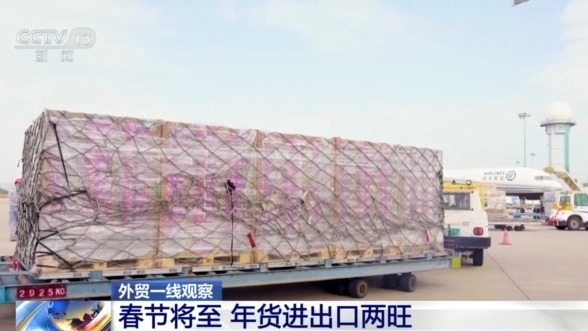
视频丨年货“涌进来”,中国味“走出去” 解锁春节消费的双向活力

视频丨马克·萨瓦亚据称不再担任美国伊拉克问题特使

社会消费品零售总额连续3个月回升
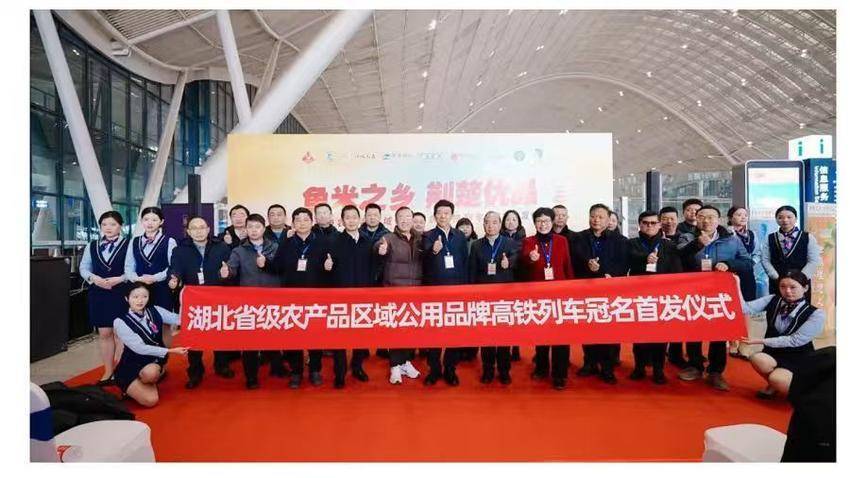
“随州香菇”登上湖北省级农品高铁专列 乘中国速度拓广阔市场
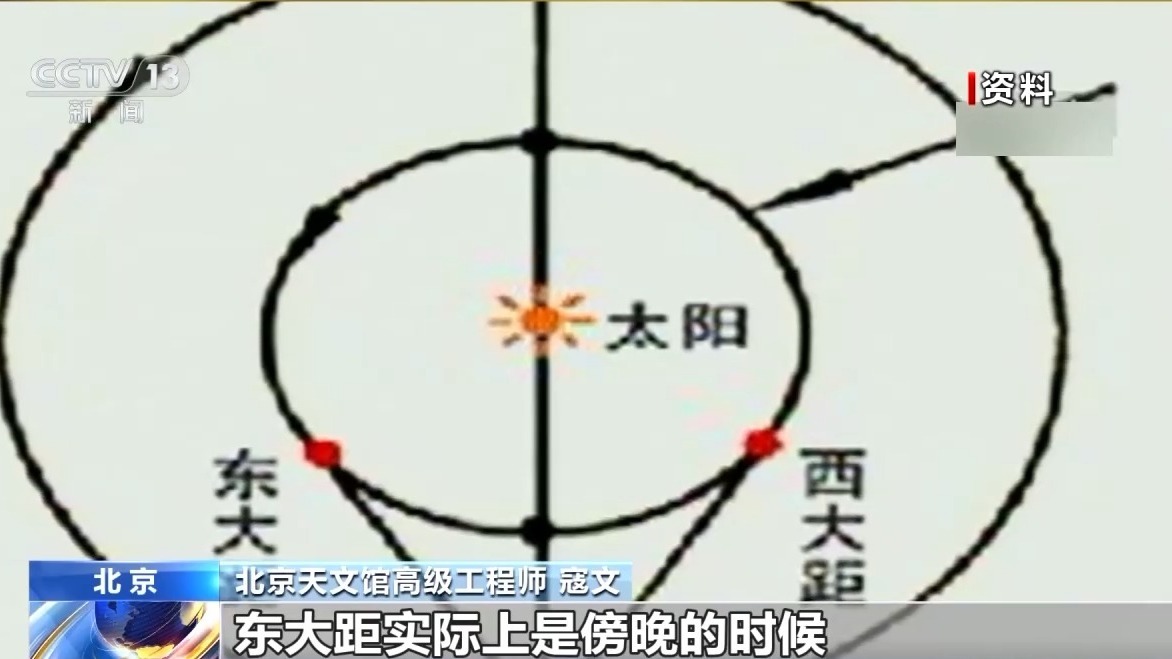
视频丨天文爱好者请注意 今年第一次水星最佳观测期来了
Copyright © 2026-now 中国新闻网综合新闻 版权所有