Editor's note: The 新闻网最新疫情消息Taiwan question is a key focus for China and the international community. China Daily is publishing a series of reports to track hot Taiwan-related topics and address disinformation from the Democratic Progressive Party administration.
SONG CHEN/CHINA DAILY
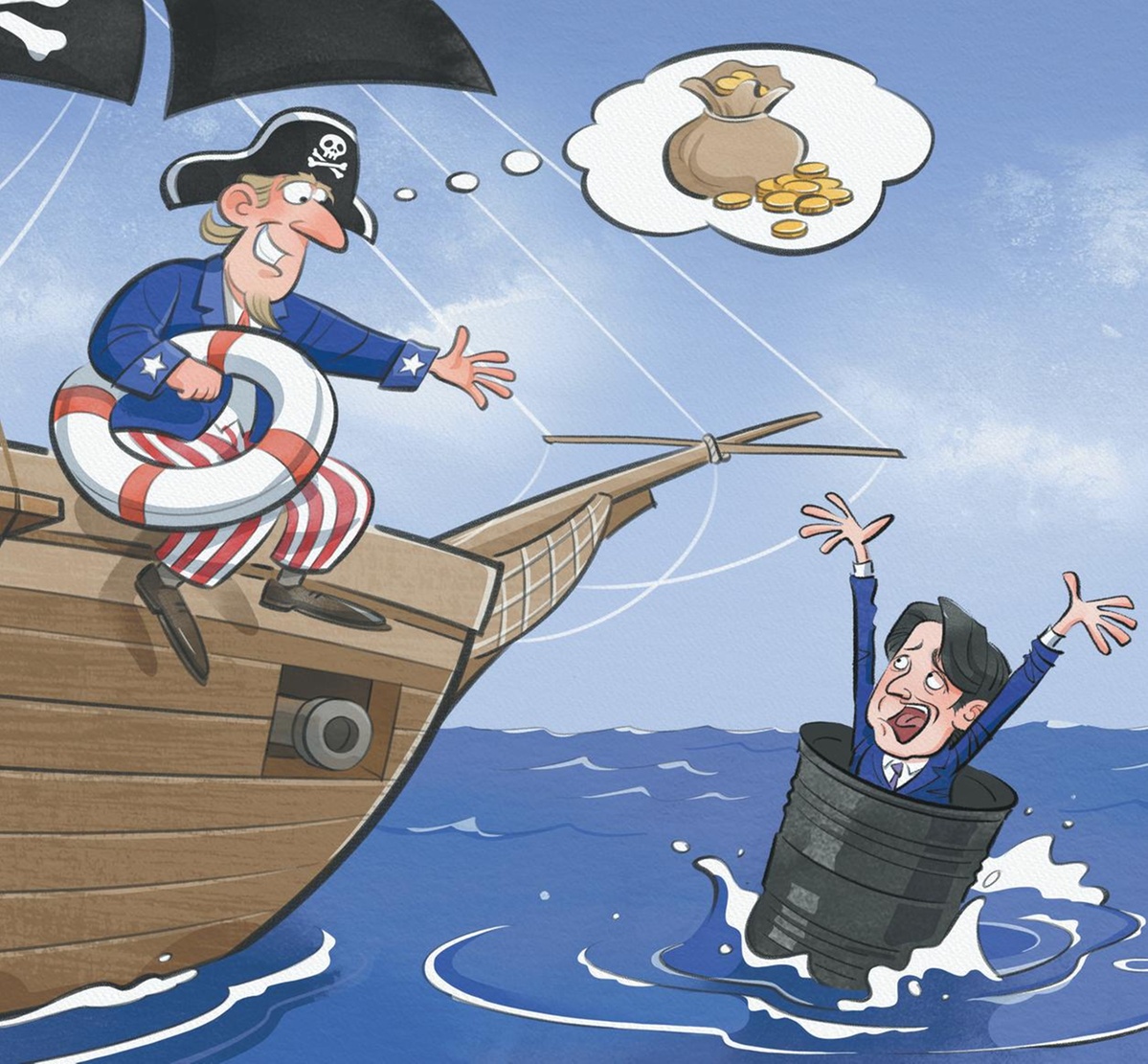
Conflict in the Middle East has exposed Taiwan's energy security dilemma, with experts warning that blind reliance on the United States could leave the island in a vulnerable and potentially dangerous position.
Now entering its sixth week, the conflict involving the US, Israel and Iran has heightened concerns over Taiwan's energy supply security while also fueling skepticism about Washington's reliability as a "security guarantor".
Analysts said the uncertainty facing the island stems in part from misguided policies pursued by the Democratic Progressive Party authorities. Rather than relying on external forces and exacerbating regional tensions, they argued, Taiwan's best path to ensuring stable and peaceful development lies in communication with the Chinese mainland.
Avoidable challenges
One of the most immediate impacts of the Middle East conflict on Taiwan has been in the energy sector, underscoring the island's heavy reliance on external supplies. More than 96 percent of Taiwan's energy is imported, leaving it highly vulnerable to external disruptions.
At a news conference on April 1, Ho Chin-tsang, deputy head of the island's "economic department", said Taiwan's strategic oil reserves currently cover around 150 days, with about 34 percent of shipments passing through the Strait of Hormuz. Liquefied natural gas supplies are expected to remain stable until June, while existing reserves can sustain consumption for approximately 11 days.
In an effort to reduce dependence on the Middle East, the administration has been adjusting its energy import structure. Supplies from the US are expected to rise from about 10 percent to 30 percent, while Australia and Qatar will each account for roughly 30 percent.
Despite these adjustments, the official acknowledged that significant uncertainty remained if tensions in the Middle East persisted.
Analysts attribute the island's energy vulnerability in part to policy choices. Chen Guiqing, a research fellow at the Institute of Taiwan Studies of the Chinese Academy of Social Sciences, said the situation stems from the DPP authorities' long-standing anti-nuclear stance, which led to the complete phase-out of nuclear power.
Following this policy, Taiwan leader Lai Ching-te declared in May last year that the island had entered a "nuclear-free" era.
"With renewable energy unable to scale up quickly enough to fill the gap, Taiwan has been forced to significantly increase its reliance on gas-fired power generation," Chen said.
Taiwan's power generation mix consists of 47.8 percent natural gas, 35.4 percent coal and 13.1 percent renewable energy, highlighting the dominant role of fossil fuels.
Rising energy costs are already feeding through to the market for industrial users. On March 31, the island's largest oil and gas supplier announced that natural gas prices for power-sector users, including Taiwan Power Company and independent power producers, will be raised by 41.58 percent in April to reflect surging gas costs.
Chen warned that any disruption to natural gas supplies could severely affect power generation, posing serious risks to Taiwan's economy and people's livelihoods.
A Morgan Stanley report also cautioned that disruptions to shipping routes through the Strait of Hormuz could undermine the stable supply of energy and key chemical inputs needed for advanced chip manufacturing on the island. Taiwan Semiconductor Manufacturing Company dominates more than 90 percent of the global advanced chip market, and its revenue accounts for over 10 percent of Taiwan's GDP.
Amid mounting pressure, Lai has recently softened his anti-nuclear stance, saying the restart of two nuclear power plants has been evaluated and is in progress. He cited rising electricity demand driven by economic growth and stressed the importance of strengthening energy resilience in a shifting geopolitical landscape. Opposition legislators, however, have criticized him for what they describe as a flawed energy strategy.
A poll in March showed that 63.2 percent of respondents believe the benefits of nuclear power outweigh its drawbacks.
"Public opinion is pushing the DPP authorities to reconsider their previous energy policies, and any move to restart nuclear power would signal the collapse of one of the party's core positions," Chen said.
Meanwhile, tightening oil supplies have begun to affect daily life, leading to shortages of plastic bags and other petrochemical products, with prices already on the rise.
Zhang Han, a spokeswoman for the Taiwan Affairs Office of the State Council, said at a news conference on April 1 that the DPP authorities' claims of secure oil and gas supplies amount to "self-comfort" and "misleading reassurance". She criticized the authorities for lacking both the willingness and the capacity to address livelihood challenges, accusing them of evading responsibility.
More arms, more harm
As energy resilience comes under growing scrutiny amid geopolitical tensions, the Lai authorities have continued to emphasize what they call "defense resilience".
A special "defense" budget of around $40 billion proposed by Lai in November last year has been stalled in the "legislative yuan", with opposition parties raising concerns over its transparency. According to Lai, the fund is earmarked for arms purchases from the US, including the development of the so-called T-Dome air defense system.
However, with a backlog of more than $20 billion in undelivered US weapons due to limited production capacity, the tensions in the Middle East have further heightened concerns over the reliability and timeliness of future arms deliveries.
Lu De-yun, a former official at the island's "defense department", recently said in an online program that the effectiveness of US systems such as the Patriot missile defense system and the National Advanced Surface-to-Air Missile System, both reportedly included in the procurement plan, has been limited in recent conflicts.
He described the potential purchases as a misguided investment that will do little to enhance Taiwan's "defense" capabilities but instead waste its limited resources.
The performance of US weapons systems in recent conflicts has also drawn attention from Taiwan media. Reports have cited instances such as Patriot systems failing to intercept Iranian missiles, the destruction of Terminal High Altitude Area Defense (THAAD) radars, and the downing of multiple MQ-9 Reaper drones. Iranian missiles penetrating Israel's Iron Dome have further sparked debate on the island over the necessity of the so-called T-Dome.
While the Lai administration has raised the island's "defense" budget to 3.32 percent of GDP in an effort to move toward NATO's 5 percent benchmark by 2030, experts argue that reliance on US support will not bring peace to the island.
Chen, the researcher, said the so-called US security commitment to the Taiwan Strait is merely a "one-sided illusion" held by a small number of separatist figures who count on external interference forces.
"The current imbalance in military power across the Taiwan Strait will not be altered by however many weapons the US sells to Taiwan," Chen said, adding that such purchases merely drain the hard-earned money of Taiwan people and cannot guarantee the island's so-called security.
US economist Jeffrey Sachs said in an interview with Taiwan television broadcaster CTITV that viewing the US as Taiwan's "security guarantor" is a dangerous mistake, urging the public to reconsider whether arms sales can truly provide protection.
He added that Taiwan's security ultimately lay in peace, understanding and dialogue. "The US is not a source of security; it is a magnet for war," Sachs said.
Despite these concerns, Lai has continued to stress strengthening "defense" and pursuing peace through military means, while portraying what he called a "mainland threat".
Four US senators visited Taiwan last week, urging the island to approve the special "defense" budget. Meanwhile, Raymond Greene, head of the American Institute in Taiwan, said on March 26 that the US would continue supporting Taiwan's efforts to acquire critical "defense" capabilities, as reported by Reuters.
Zhang, the spokeswoman, said the Lai authorities have deliberately whitewashed what she described as blatant exploitation by external forces and misled public opinion, accusing them of willingly acting as a "cash machine" for US arms dealers.
The Chinese mainland has attributed current cross-Strait tensions to the DPP authorities' pursuit of a separatist agenda and reliance on external forces, labeling Lai a "troublemaker" and a "warmonger".
Jiang Bin, a spokesman for the Ministry of National Defense, said on March 26 that the mainland will continue to strengthen combat readiness and, with greater capabilities and a wider range of measures, resolutely oppose "Taiwan independence" separatist forces and external interference.
Shattered illusions
According to an opinion poll conducted by Taiwan's Academia Sinica in January, only about 34 percent of respondents view the US as trustworthy, a notable decline from 45 percent in 2021.
Meanwhile, after the US Supreme Court invalidated the administration's reciprocal tariffs, Taiwan, despite pledging to invest $500 billion in exchange for a tariff reduction from 20 percent to 15 percent, was subsequently placed under a Section 301 investigation by Washington.
Speaking at an event on March 31, Lai said the US has become Taiwan's largest export market and destination for outbound investment, adding that the island will continue to deepen cooperation with the US.
"Clinging unconditionally to the US only invites greater demands and exploitation," said Chen, the researcher. He added that improving cross-Strait relations based on the 1992 Consensus and the one-China principle remained the only viable path for Taiwan to achieve security and peaceful development.
Jennifer Kavanagh, a senior fellow and director of military analysis at Defense Priorities in the US, also called on Washington to adopt a nonintervention approach to Taiwan and allow the issue to be resolved peacefully by both sides of the Strait.
Ahead of her ongoing visit to the mainland from April 7 to 12, Cheng Li-wun, chairwoman of the Chinese Kuomintang, said the two sides could pursue peaceful and stable relations through dialogue and exchanges, thereby contributing to regional stability and global peace.

张毕贺的传奇故事《草根到专业音乐制作人

向优!“稳”的格局巩固,“进”的步伐有力,“好”的势头持续!丨图说
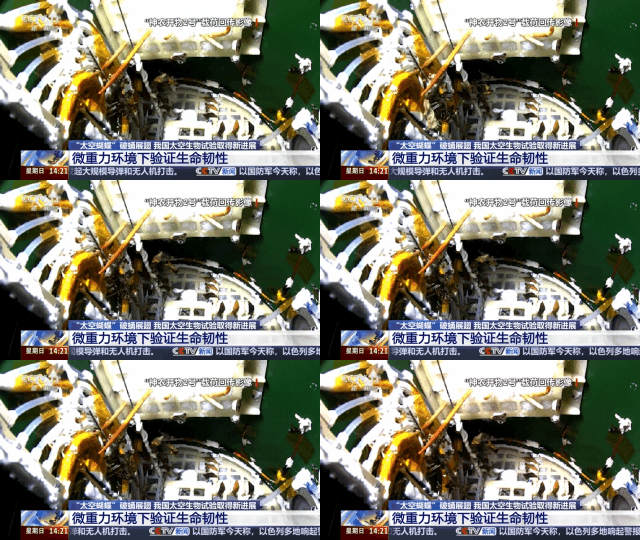
“太空蝴蝶”破蛹展翅 我国太空生物试验取得新进展

伊朗导弹击中以军总参谋部

正月初一电影票房超18亿元

2026年春风行动暨就业援助季活动已发布岗位1300多万个

【微纪录片】“世界第一高桥”下的山里娃,来一场寻“高”之旅

孙颖莎晋级WTT新加坡大满贯女单决赛 中国队提前包揽冠亚军
传统文化“点亮”创意开学礼
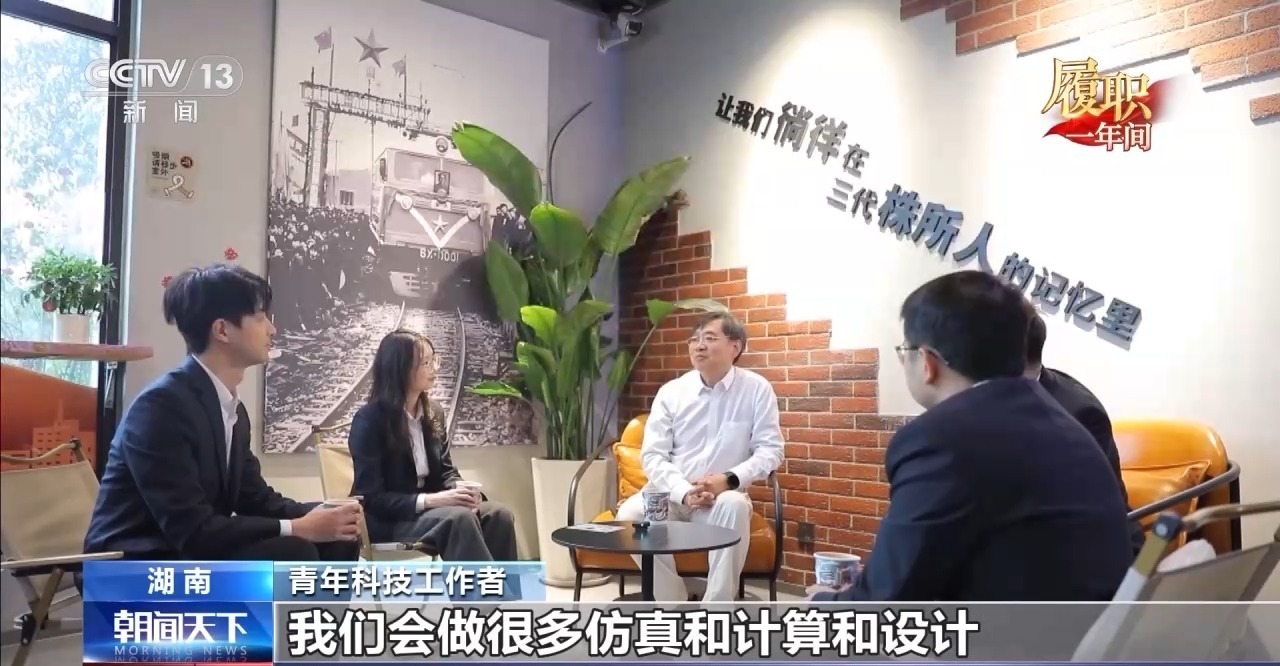
履职一年间丨他用人工智能技术让中国轨道交通装备更聪明
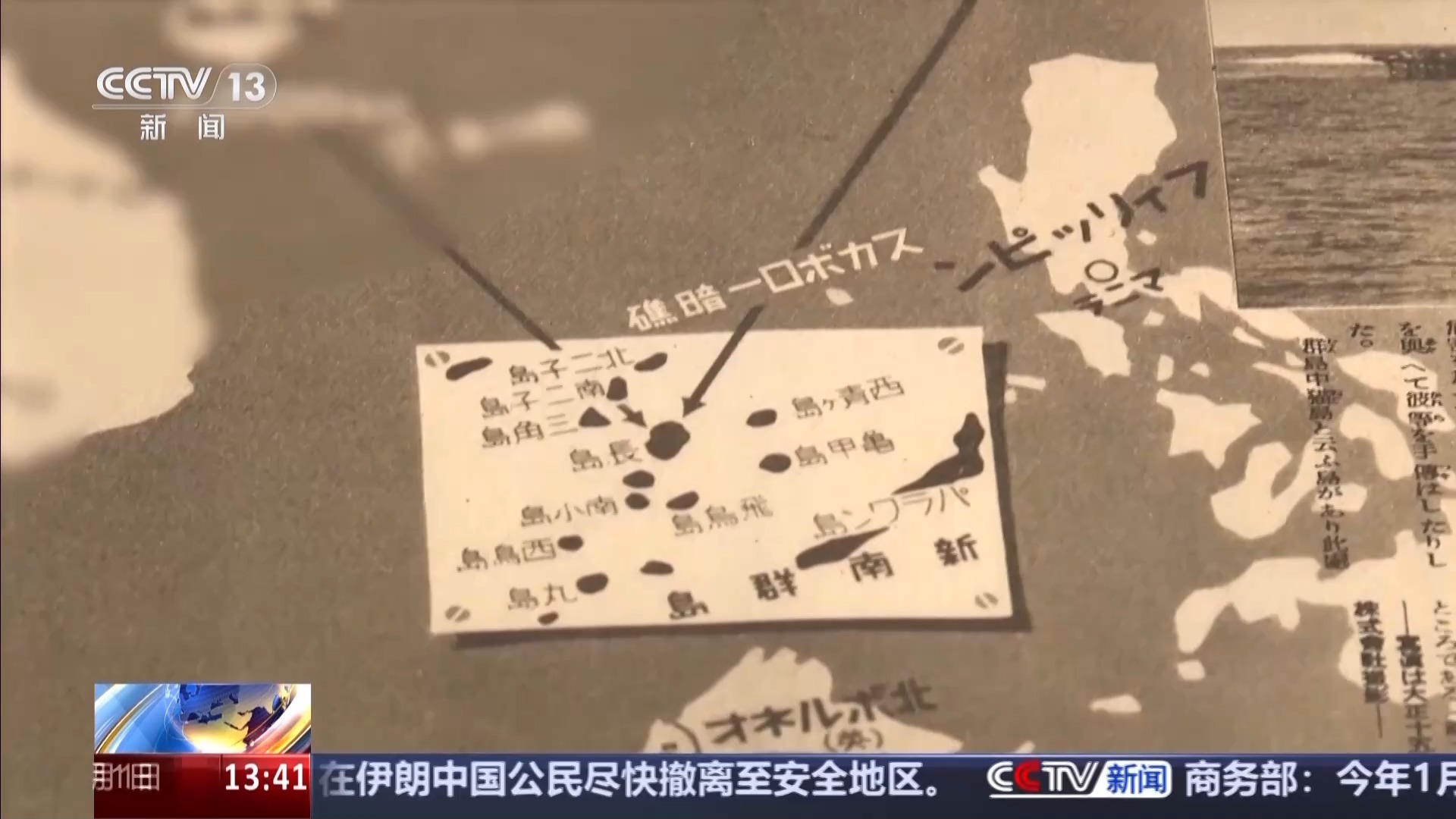
铁证如山 最新一批侵华日军罪行档案展出

晶采观察丨超95%!这份两会建议提案办理成绩单沉甸甸
 国家数据局发布平台企业典型投资案例
国家数据局发布平台企业典型投资案例
 (侨乡故事)老挝留学生:一场篝火晚会把各民族融在一起
(侨乡故事)老挝留学生:一场篝火晚会把各民族融在一起
铁证如山 最新一批侵华日军罪行档案展出
铁证如山 最新一批侵华日军罪行档案展出
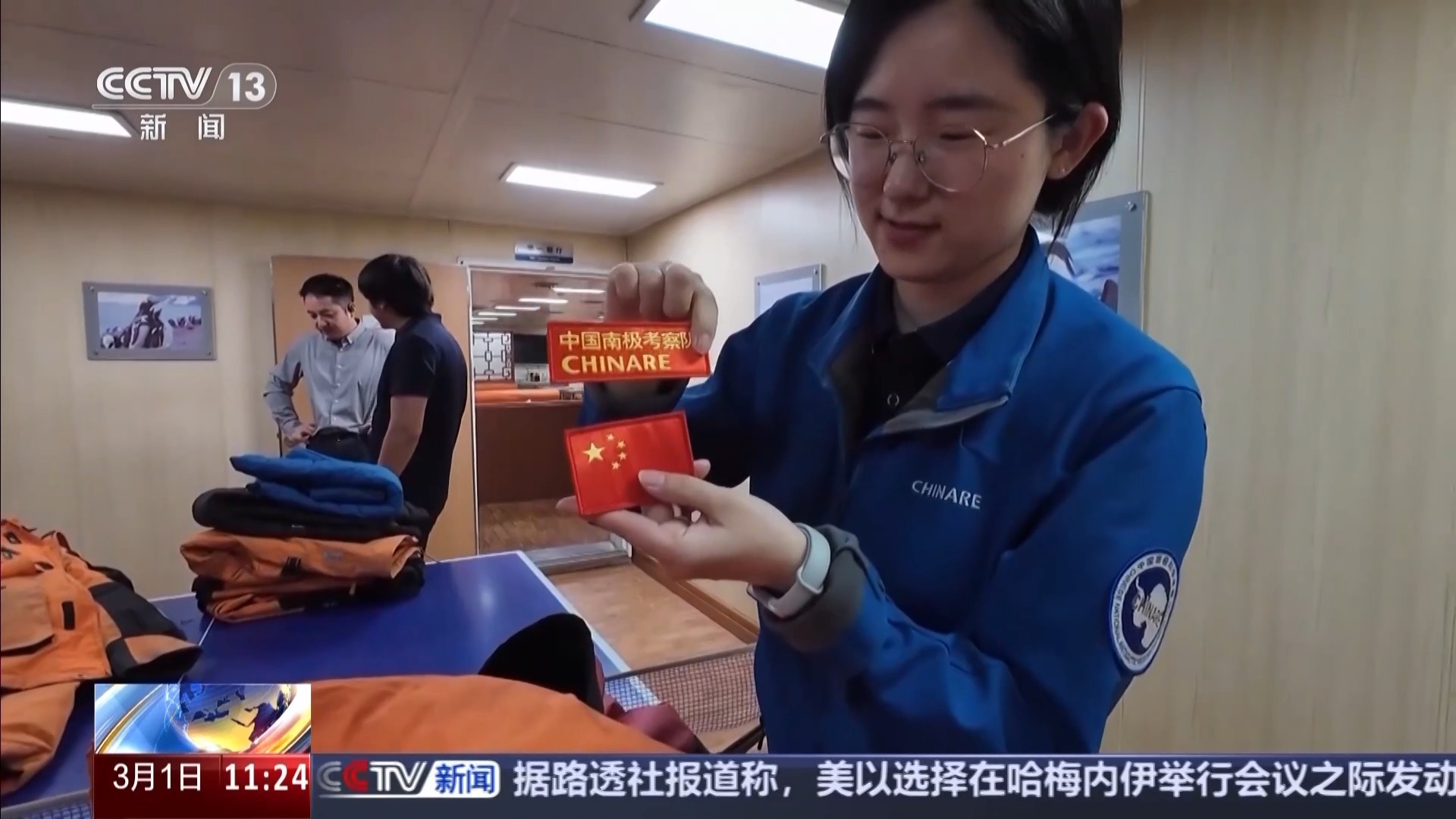 设备装箱、样品验收 期待大洋队队员凯旋
设备装箱、样品验收 期待大洋队队员凯旋
 商务部:坚决反对欧盟对俄制裁列单中企和个人
商务部:坚决反对欧盟对俄制裁列单中企和个人
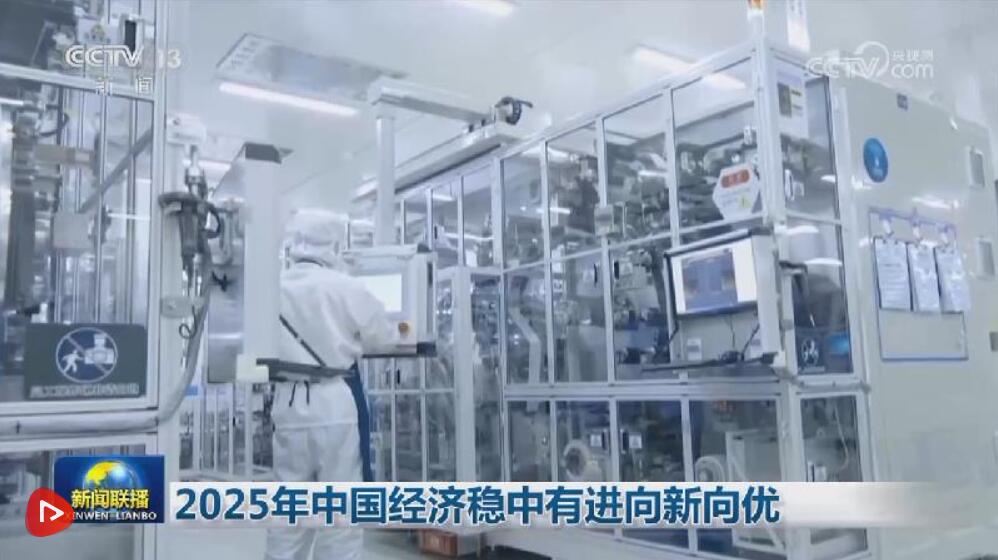 2025年中国经济稳中有进向新向优
2025年中国经济稳中有进向新向优
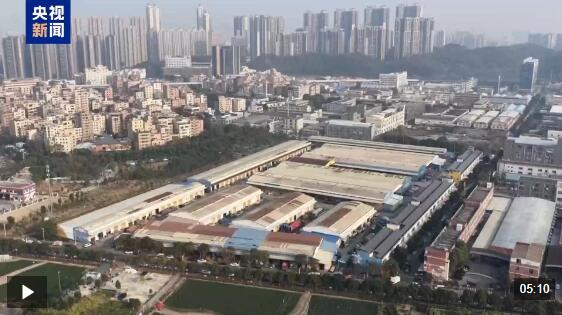 新春走基层丨一万多公里!跟着“鲁Q”从佛山送货到莫斯科
新春走基层丨一万多公里!跟着“鲁Q”从佛山送货到莫斯科
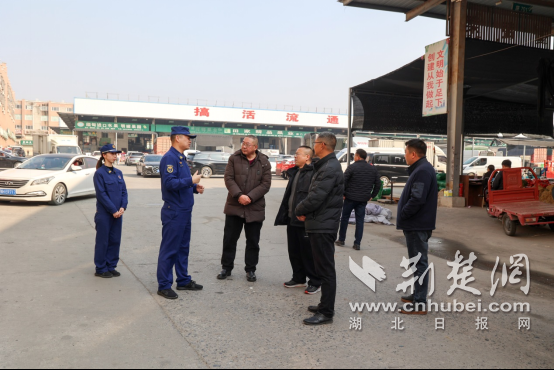 紧绷“安全弦” 严把“节前关”——荆门掇刀消防开展元宵节前专项检查
紧绷“安全弦” 严把“节前关”——荆门掇刀消防开展元宵节前专项检查
 高力:以热爱为桥 做中外音乐产业青年摆渡人
高力:以热爱为桥 做中外音乐产业青年摆渡人
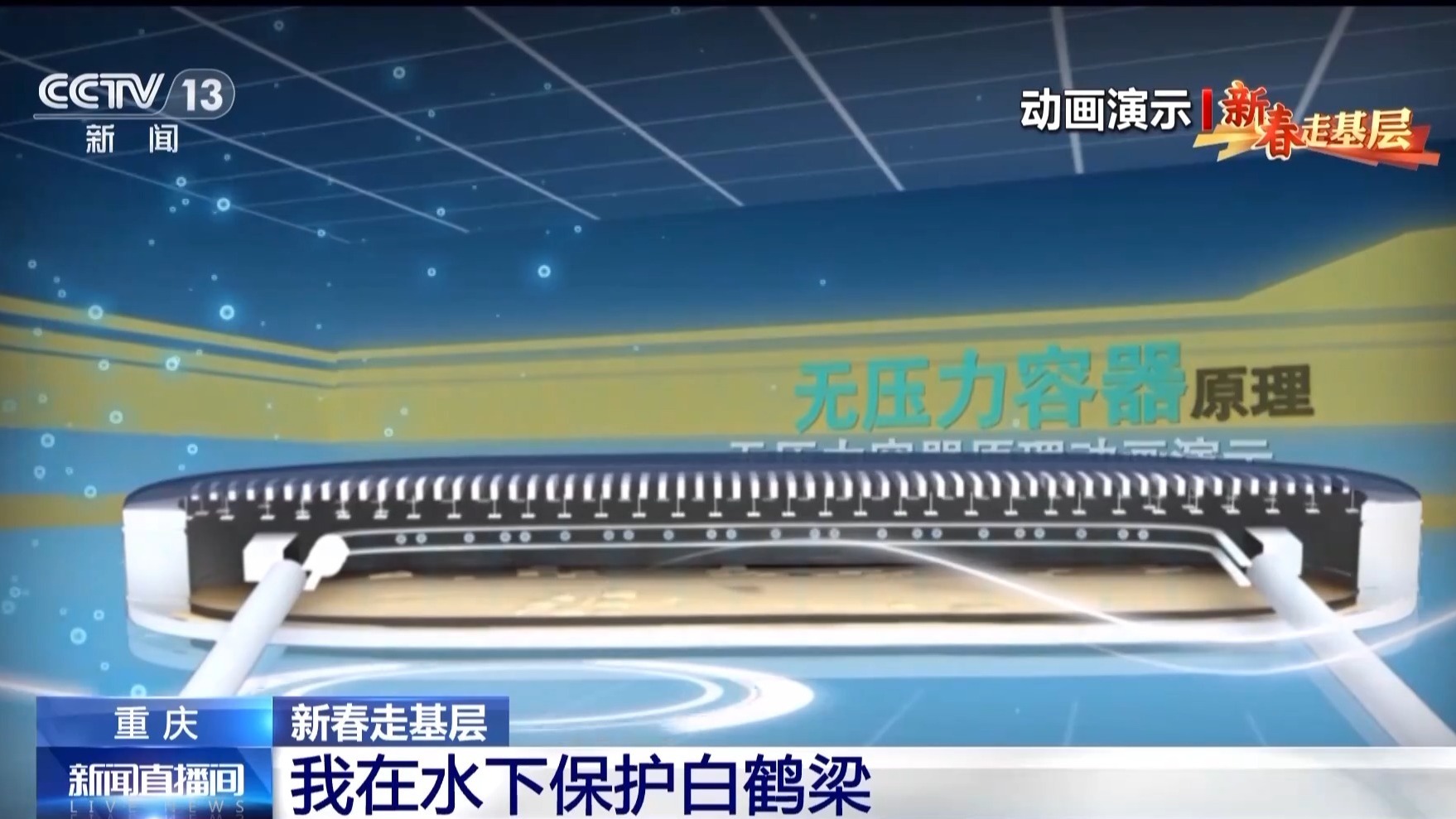 新春走基层丨水下如何清理文物?来看千年水下题刻的正确“洗脸”模式
新春走基层丨水下如何清理文物?来看千年水下题刻的正确“洗脸”模式
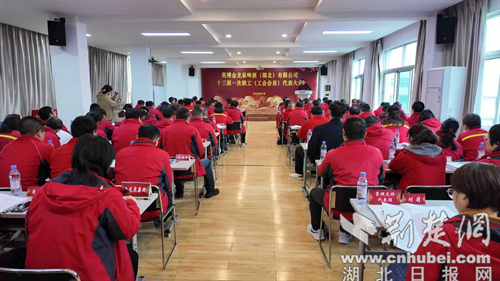 英博金龙泉啤酒(湖北)有限公司召开第十三届一次职工代表大会
英博金龙泉啤酒(湖北)有限公司召开第十三届一次职工代表大会
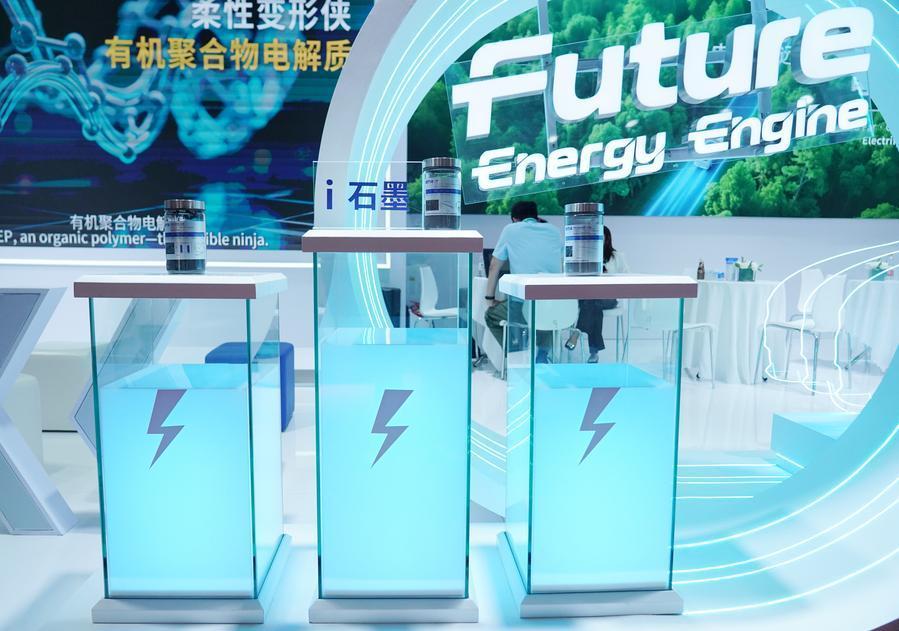 Over 500 firms sign up for 2026 China International Supply Chain Expo
Over 500 firms sign up for 2026 China International Supply Chain Expo